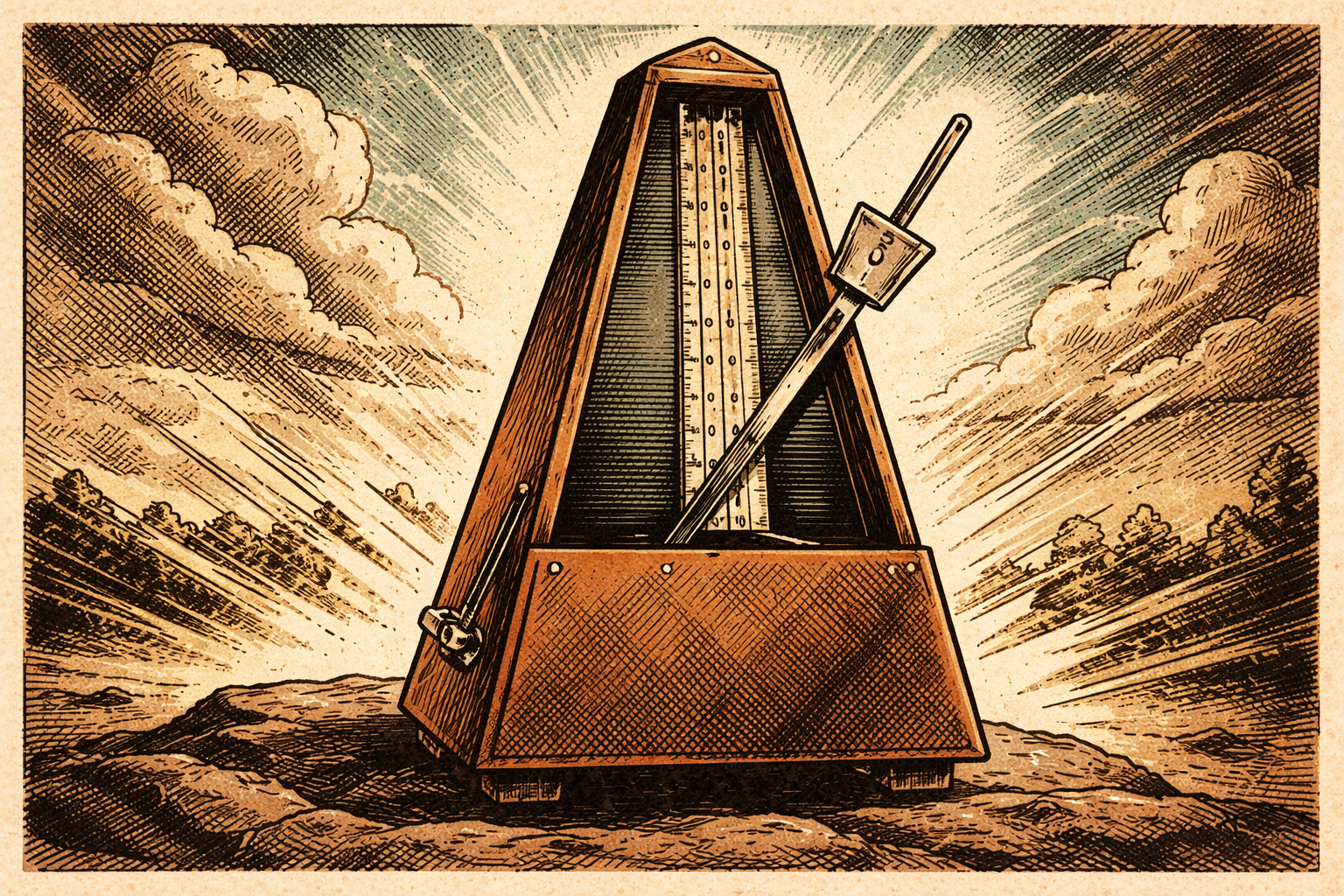
The Moment Before the Reply
The email arrives at 9:17 a.m. It is short, pointed, and unmistakably critical. You feel it before you finish reading it. Your jaw tightens. Your chest constricts. Your mind begins composing a reply that is sharp, efficient, and slightly cruel.
You do not notice that you have stopped breathing normally.
You do not notice that your thoughts have narrowed into a single mission, defend, counter, win.
You only notice the urge to send.
This moment, small and ordinary, is where most lives quietly fracture. Not in dramatic scandals or public collapses, but in hundreds of unexamined reactions. A snapped response. A silent withdrawal. A spiral of doubt that derails an afternoon. The body surges. The mind obeys. The day bends around the emotion.
It feels inevitable.
It is not.
The Skill We Mistake for Personality
What most people call temperament is often just untrained response.
We have accepted a strange myth about adulthood: that physical fitness requires practice, professional competence requires repetition, but emotional steadiness should arrive fully formed.
If a man loses his temper, we say he is hotheaded. If he avoids confrontation, we say he is passive. If he spirals into anxiety, we say he is high strung. The language implies identity. It rarely implies training.
The truth is simpler and less flattering. Emotional control is a skill. Mental steadiness is a discipline. Focus under pressure is trained capacity.
When we fail to cultivate that capacity, emotion does not disappear. It simply governs behavior unchecked.
The stakes extend beyond personal serenity. Families are shaped by how adults handle anger. Workplaces are shaped by how leaders handle stress. Public discourse is shaped by how citizens handle fear. When individuals lack the tools to hold their own emotional heat, institutions begin to warp around that instability.
The question is not whether we feel. The question is whether we can hold what we feel long enough to choose our response.
Heat, Tools, and the Space Between
In a blacksmith’s shop, heated steel glows bright orange. It is useful only when hot. Cold metal cannot be shaped. But no smith reaches into the fire with bare hands. He uses tongs. The heat is necessary. The tool makes it manageable.
Human emotion functions much the same way. Anger signals boundary violations. Fear signals risk. Doubt signals uncertainty. These are not flaws in the system. They are forms of heat.
The damage begins when there is no tool between sensation and action.
Psychologists often describe a gap between stimulus and response. In that gap lies choice. But that gap is not automatic. It must be widened through practice.
Consider something as simple as controlled breathing. When the body enters a stress response, heart rate increases, breath shortens, attention narrows. Deliberate breathing, slow and rhythmic, interrupts that physiological cascade. It tells the nervous system that immediate danger has passed. The body settles. The mind regains range.
Or consider meditation. Sitting quietly and noticing the mind’s drift is not mystical. It is repetitive attention training. Each time you notice distraction and return to the breath, you are rehearsing the act of redirecting focus. Later, in a meeting or argument, that rehearsal matters.
Journaling performs a different function. Writing forces vague emotion into language. Language organizes chaos. When frustration becomes a sentence rather than a surge, it becomes something you can examine rather than something that owns you.
These practices are modest. Five minutes. Ten at most. They do not eliminate stress. They increase your capacity to hold it.
The crucial shift is from reacting to responding. Reaction is immediate and unfiltered. Response is deliberate. The difference is often measured in seconds.
In those seconds, identity is formed.
A man who consistently pauses before speaking becomes known as steady. A leader who breathes before deciding becomes known as reliable. A parent who names his anger before acting becomes known as safe.
The Stoic Misunderstanding
Emotional control, some argue, leads to repression. It produces coldness. It teaches people to suppress feeling rather than engage with it. But this rests on a misunderstanding.
Suppression denies emotion. Mastery acknowledges it.
The person who pretends not to be angry often leaks that anger in sarcasm or passive aggression. The person who refuses to admit fear may mask it with bravado. Avoidance does not equal control. It is simply a different form of reaction.
True regulation involves noticing the emotion fully. Anger is present. Fear is present. Doubt is present. But presence does not equal command.
In fact, research consistently shows that labeling emotion reduces its intensity. Naming anger as anger engages cognitive processes that temper the raw surge. The feeling remains. The edge softens.
Control does not mean numbness. It means containment.
The alternative to training is not authenticity. It is volatility.
What It Means to Govern Yourself
The small disciplines, a daily breathing practice, a brief meditation, a written reflection, may seem trivial against the scale of modern stress. But scale is not the point. Repetition is.
Each deliberate pause strengthens the capacity to choose. Each controlled breath rehearses composure. Each moment of reflection reinforces the idea that you are not identical to your passing mood.
Over time, this reshapes more than isolated incidents. It reshapes self-concept.
A person who repeatedly interrupts impulsive reactions begins to see himself differently. He is not at the mercy of every internal surge. He is capable of holding heat without being burned by it.
This is not self help optimism. It is skill acquisition.
And it carries broader implications. In a culture saturated with outrage, distraction, and constant stimulation, the rare individual who can govern his own attention and emotion becomes disproportionately influential. Calm steadiness stands out. Deliberate speech cuts through noise. Measured action inspires trust.
The original email still arrives at 9:17 a.m. The criticism still stings. The body still tightens.
But now there is a breath before the reply.
That breath contains a choice.
Mental and emotional mastery are not innate traits but trainable skills, and without deliberate practice we become governed by our impulses rather than by judgment. The difference between reaction and response shapes not only individual character but the health of our shared institutions.
The moment before the reply is small. It is also decisive.
In that pause, a life tilts one way or the other.